Everything You Need to Know Before Your First Temazcal
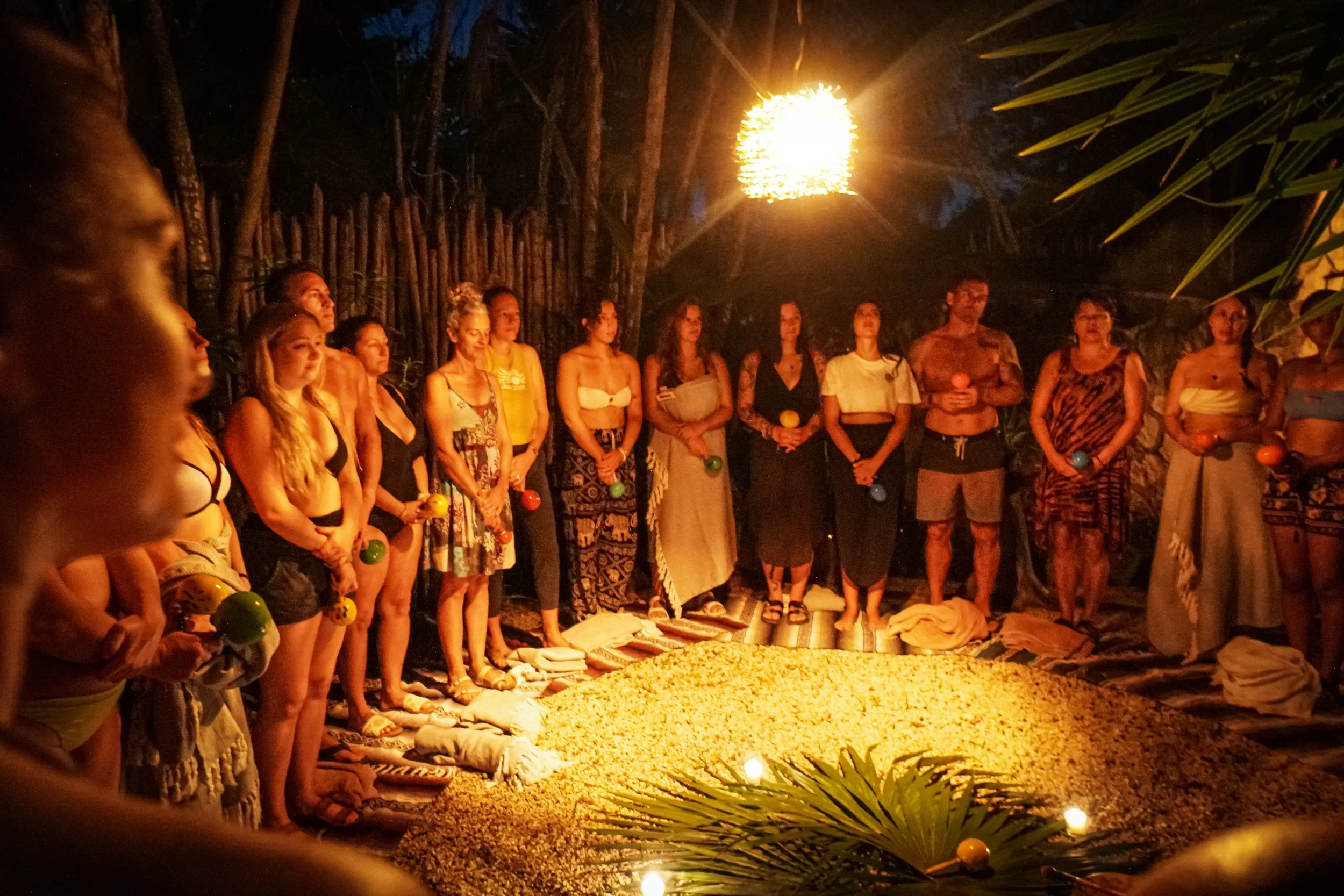
If you've been searching for a deeply restorative wellness experience that goes beyond a traditional spa treatment, a temazcal may be exactly what you're looking for. Rooted in ancient Mesoamerican traditions, the temazcal ceremony has been practiced for centuries as a ritual for physical cleansing, emotional healing, and spiritual renewal. Today, many travelers visiting Mexico seek out this transformative experience, especially in the Riviera Maya, where ancient traditions continue to thrive.
Whether you're curious about the ceremony, wondering what happens inside the sacred sweat lodge, or preparing for your very first session, this guide covers everything you need to know before participating in a Mayan temazcal.
What Is a Temazcal?
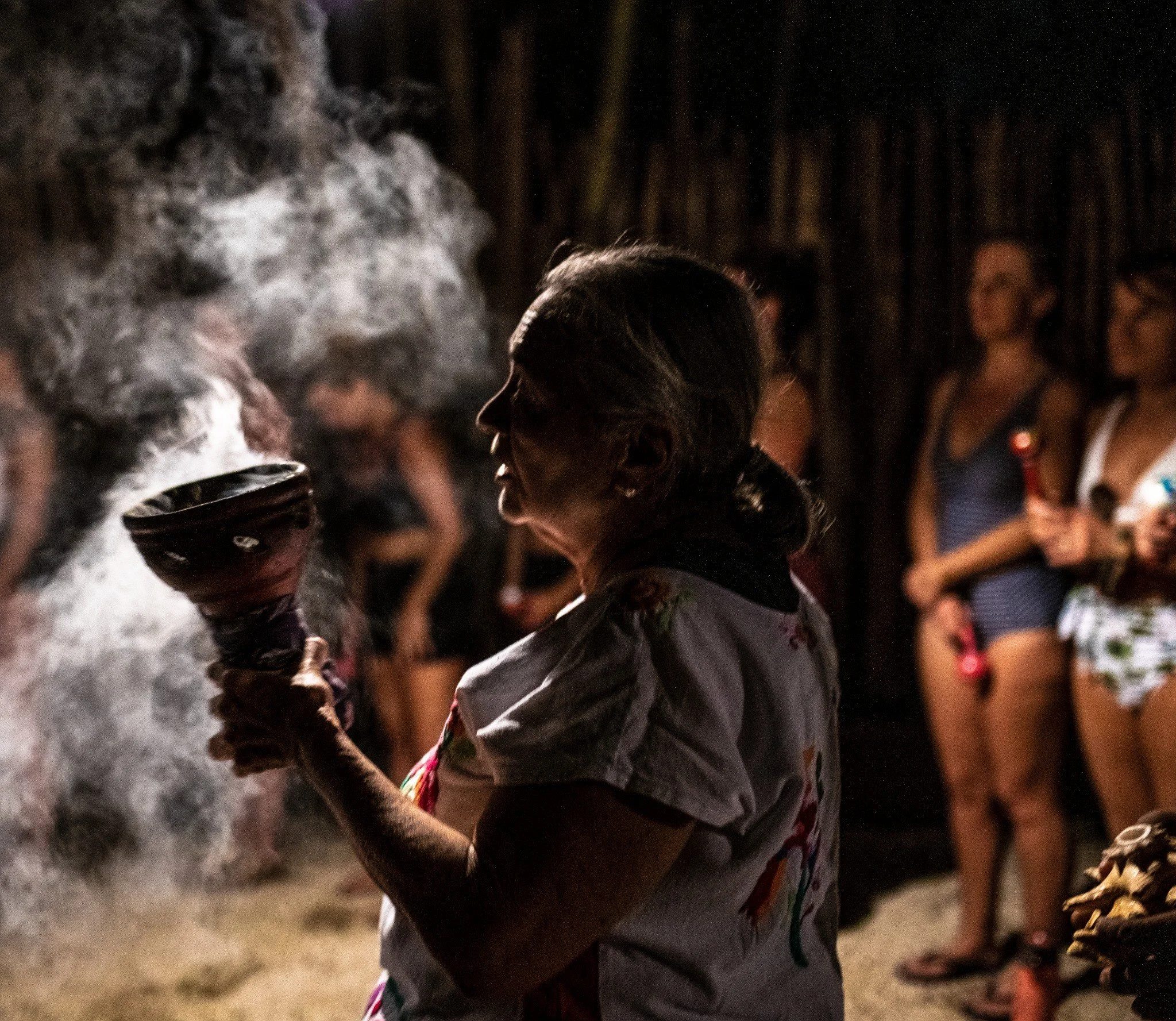
A temazcal is a traditional sweat lodge used by Indigenous peoples throughout Mexico and Central America for healing, purification, and ceremonial purposes. The word "temazcal" comes from the Nahuatl language, meaning "house of heat."
Unlike a sauna, which is designed primarily for relaxation, a temazcal is a guided ritual led by an experienced facilitator, often called a temazcalero or temazcalera. Heated volcanic stones are placed in the center of the dome-shaped structure, and water infused with medicinal herbs is poured over them to create steam.
Throughout the ceremony, participants are guided through prayers, songs, breathing exercises, and moments of reflection designed to help release physical tension, emotional stress, and stagnant energy.
The History of the Temazcal Ceremony
The temazcal ceremony dates back thousands of years and was practiced by civilizations including the Maya, Aztec, Toltec, and Zapotec peoples.
For the ancient Maya, the sweat lodge represented the womb of Mother Earth, a place where participants symbolically died to their old selves and emerged spiritually renewed. Traditionally, the ceremony was used to:
Prepare warriors before battle
Purify the body after illness
Support women after childbirth
Celebrate important life transitions
Promote spiritual growth and community healing
Today, these ancient traditions continue, blending Indigenous wisdom with modern wellness practices while honoring their cultural roots.
What Happens During a Mayan Temazcal?
Every Mayan temazcal is unique, but most ceremonies follow a similar structure.
Arrival and Intention Setting
Before entering the sweat lodge, participants gather with the guide to learn about the ceremony. This is also the time to set a personal intention. Some people seek relaxation, while others come for emotional healing, gratitude, clarity, or simply curiosity.
Entering the Lodge
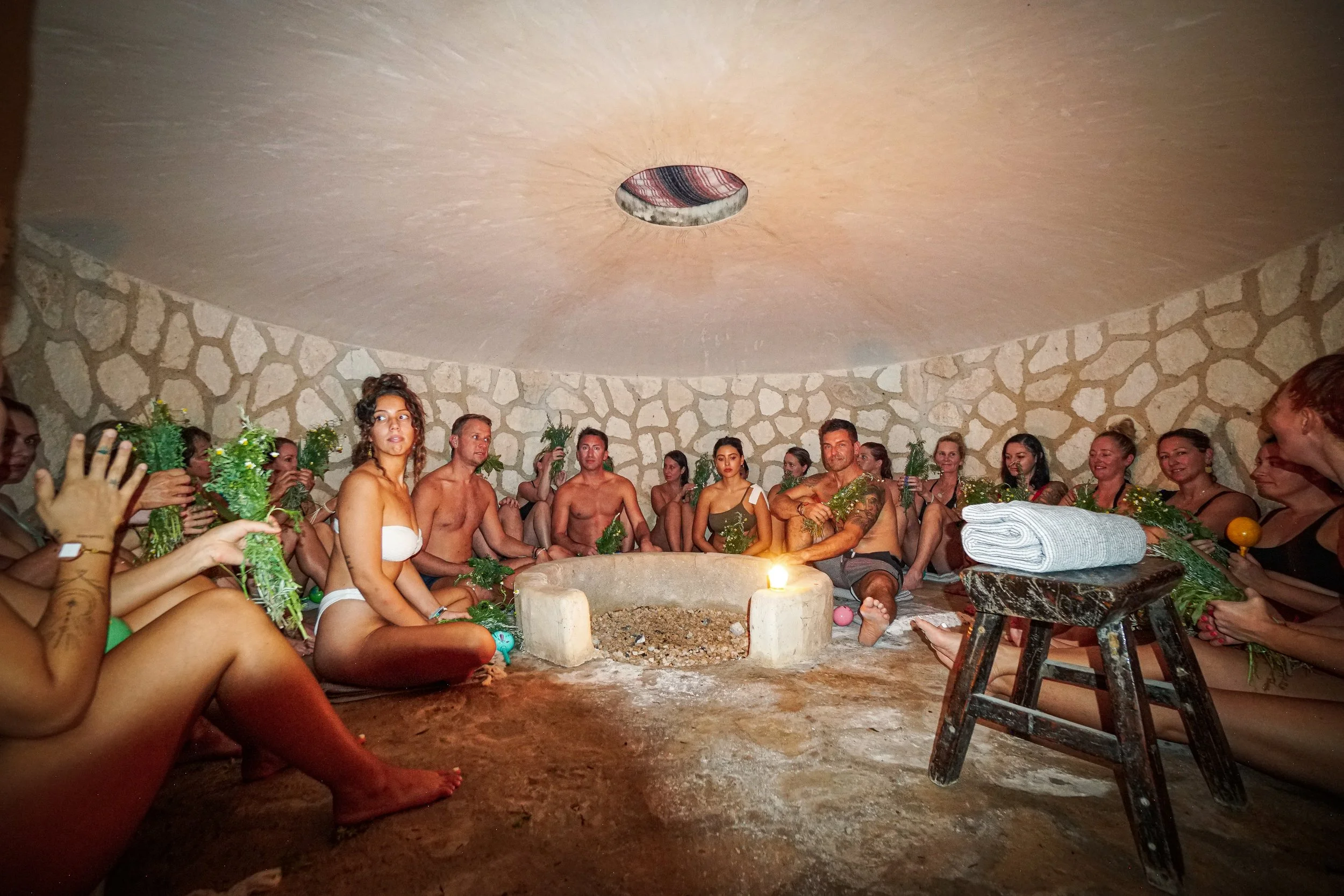
Participants enter the small, circular lodge one by one. Once everyone is inside, the door is closed, creating a dark and peaceful environment.
The guide brings in glowing volcanic stones and places them into a central pit.
The Four Rounds
Many ceremonies are divided into four rounds, each representing an element or direction:
Earth
Water
Fire
Air
During each round, water mixed with aromatic herbs is poured over the hot stones, filling the lodge with warm steam.
Participants may experience:
Guided meditation
Ancient chants
Breathwork
Silence
Personal reflection
The temperature gradually rises throughout the ceremony.
Emerging from the Lodge
After the final round, participants leave the temazcal slowly and often cool off with fresh air, water, or a refreshing rinse.
Many describe feeling lighter, calmer, emotionally grounded, and deeply relaxed.
How Hot Does a Temazcal Get?
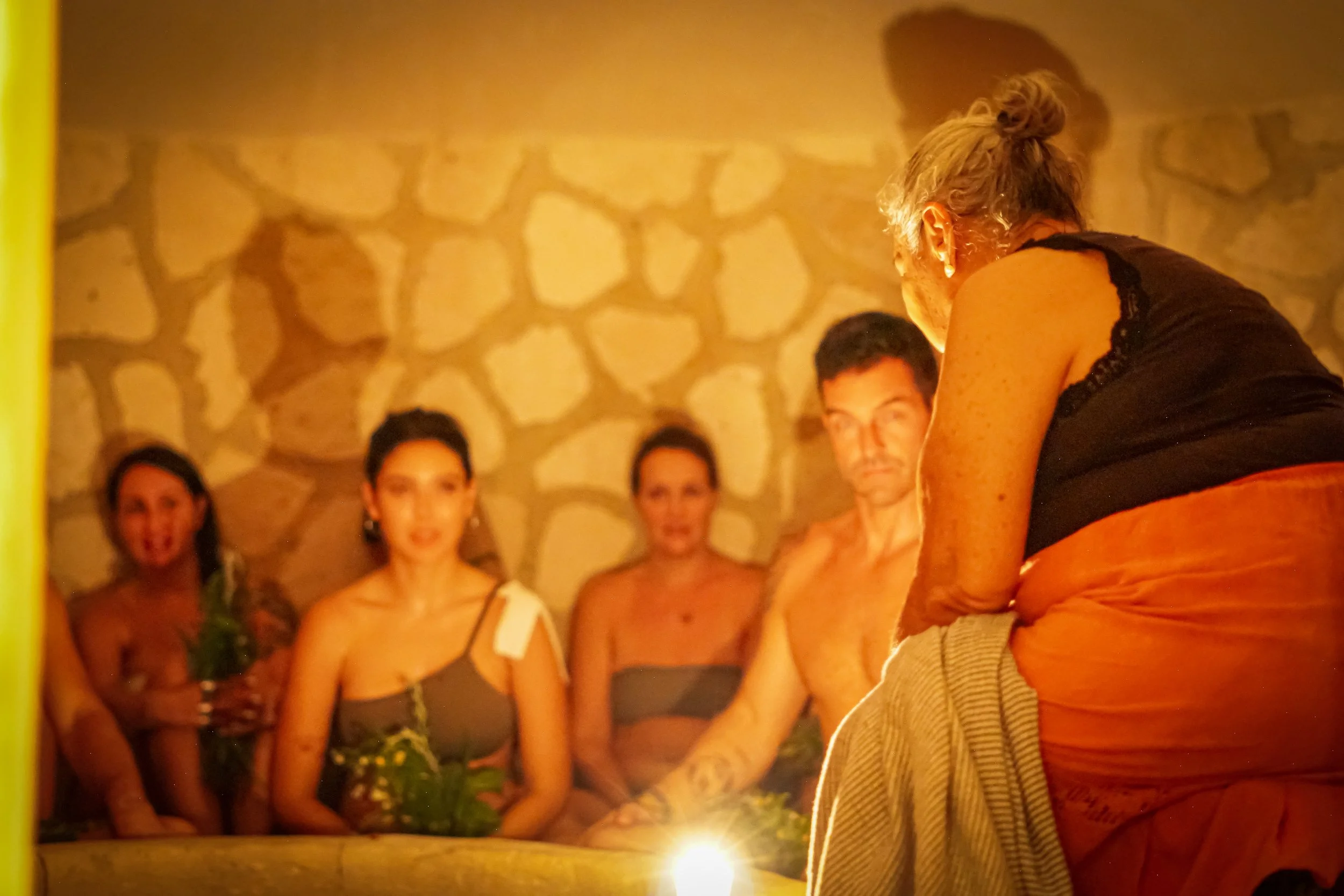
The inside of a temazcal can become very warm, although temperatures vary depending on the ceremony and facilitator.
Unlike commercial saunas that maintain consistent heat, the temperature inside the lodge changes as additional heated stones are introduced throughout the ceremony.
The humidity created by herbal steam often makes the experience feel more intense than a dry sauna.
Remember that your guide's priority is participant safety, and you may always communicate if you need assistance.
Benefits of a Temazcal Ceremony
People participate in a temazcal ceremony for many different reasons.
Potential benefits include:
Physical Relaxation
The heat encourages sweating, promotes circulation, and helps relax tired muscles after travel or exercise.
Stress Relief
The combination of heat, rhythmic breathing, darkness, and meditation creates a deeply calming experience that many participants find mentally refreshing.
Emotional Release
Many people report feeling emotionally lighter after a ceremony. The peaceful environment encourages self-reflection and mindfulness.
Spiritual Connection
For those seeking personal growth, the ceremony offers an opportunity to disconnect from daily distractions and reconnect with themselves.
While many participants report wellness benefits, these experiences vary from person to person and should not be considered medical treatment.
How to Prepare for Your First Temazcal
Preparation can make your experience much more comfortable.
Stay Hydrated
Drink plenty of water before your session, as you'll sweat significantly during the ceremony.
Eat Light
Have a light meal one to two hours beforehand. Avoid arriving with either a full stomach or completely empty.
Wear Comfortable Clothing
Most locations recommend lightweight clothing or swimwear. Bring:
A towel
Sandals
Dry clothes for afterward
A reusable water bottle
Keep an Open Mind
Every ceremony is unique. Rather than focusing on expectations, approach the experience with curiosity and respect.
Is a Temazcal Safe?
For most healthy adults, a temazcal ceremony can be a safe experience when conducted by trained facilitators.
However, it may not be suitable for everyone.
You should speak with your healthcare provider before participating if you have:
Heart conditions
Uncontrolled high blood pressure
Severe respiratory conditions
Pregnancy (unless specifically approved by your physician and the facilitator)
Recent surgery
Serious medical concerns
Always inform the facilitator of any health conditions beforehand.
Common Questions About a Mayan Temazcal
How long does the ceremony last?
It last for about 90 minutes
Do I need previous experience?
Not at all. Many participants attend their first Mayan temazcal with no prior experience.
Will it be too hot?
The heat can feel intense, especially for first-time participants, but experienced facilitators monitor the group and prioritize safety throughout the ceremony.
Can I leave if I need to?
Yes. If at any point you feel uncomfortable, let your guide know. Your well-being always comes first.
Why So Many Visitors Choose a Mayan Temazcal in Tulum
The Riviera Maya offers a unique opportunity to experience ancient traditions in a setting surrounded by nature.
Many wellness travelers visiting Tulum choose a Mayan temazcal as part of a holistic retreat that includes yoga, nourishing cuisine, meditation, and beachside relaxation. Experiencing the ceremony in the region where these traditions have deep historical roots often makes the experience even more meaningful.
Final Thoughts
Your first temazcal is more than simply sitting in a heated room, it's an invitation to slow down, disconnect from daily stress, and reconnect with yourself through one of Mexico's oldest healing traditions.
Whether you're drawn by curiosity, relaxation, or personal growth, participating in a traditional temazcal ceremony can become one of the most memorable experiences of your journey. By arriving with an open mind, respecting the ceremony's cultural significance, and allowing yourself to fully embrace the experience, you'll be well prepared for your first Mayan temazcal.
As wellness travel continues to grow, this ancient ritual remains one of the most meaningful ways to experience the rich cultural heritage and holistic traditions of Mexico.